Amos Nachoum
USA & Israel
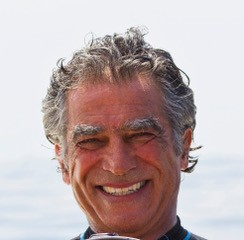
Amos Nachoum is an internationally recognized wildlife photographer, explorer, and expedition leader whose work has brought global attention to some of the world’s most powerful marine predators and remote ecosystems. Born in Israel, Nachoum moved to the United States in 1978 and has since dedicated his career to documenting wildlife through close-encounter underwater photography.
Over the past four decades, Nachoum has explored nearly every major body of water on Earth, from the Arctic to Antarctica. His photography focuses on intimate encounters with large animals including whales, sharks, leopard seals, crocodiles, anacondas, and polar bears. Through these images, he seeks to challenge the perception of “dangerous” wildlife by revealing the complexity of animal behavior and the possibility of respectful interaction between humans and marine life.
Nachoum is the founder of Big Animals Global Expeditions, through which he has led more than 6,000 adventurers and photographers on wildlife expeditions around the world. His work combines exploration, photography, and conservation, helping participants experience close encounters with some of the planet’s most extraordinary animals while supporting scientific research and environmental awareness.
His photography has received numerous international awards, including recognition from the Siena International Photo Awards and BBC Wildlife Photographer of the Year. In 2019 he was named SeaKeepers Person of the Year, and in 2021 he received the title Nature Photographer of the Year.
Nachoum is also the author of the photography book BIG, which showcases images of large animals from around the world. His life and work were featured in the award-winning documentary The Picture of His Life, which chronicles his quest to photograph polar bears underwater in the Arctic.
Through his photography, expeditions, and conservation advocacy, Amos Nachoum has inspired a deeper appreciation for marine wildlife and helped demonstrate the importance of protecting the planet’s most fragile ecosystems.